
What are Brainwaves?
Our brain is an intricate and fascinating organ, with neurons constantly communicating through synchronized electrical impulses. These impulses form what we call brainwaves. Understanding how brainwaves function is key to exploring the workings of both the conscious and subconscious mind. With this knowledge, we can better understand our mental states and how they affect our well-being.
Brainwaves are divided into distinct frequency bands, each associated with different states of consciousness. Think of these waves like musical notes: slower waves resemble the deep tones of a bass drum, while faster ones are like high-pitched guitar notes. Just like in a band, our brainwaves must stay in harmony. If they’re out of sync, we experience mental noise—stress, confusion, or even anxiety.
Our brainwave patterns are affected by what we’re doing and feeling. For example, slower brainwaves dominate when we’re tired or daydreaming, while faster waves are present when we’re alert and focused. Understanding this spectrum of brainwave activity helps us comprehend how our mental states are shaped.
The Five Types of Brainwaves
We typically experience five types of brainwaves, ranging from slow to fast. These brainwaves are measured in Hertz (Hz), or cycles per second, with each frequency representing a different state of consciousness.
1. Delta waves (.5 to 3 Hz)
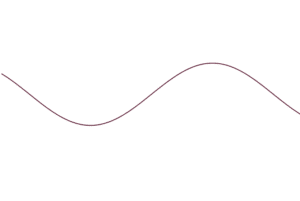 Delta waves are the slowest and deepest brainwaves, associated with deep, dreamless sleep and healing. This state is where the body undergoes significant repair and regeneration. People who practice advanced meditation can sometimes access Delta while awake, where the mind is detached from external stimuli. Delta waves are linked to empathy and the unconscious mind, which is why quality sleep is so crucial for both physical and mental health.
2. Theta waves (3 to 8 Hz)
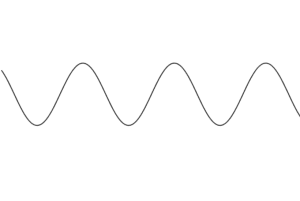 These waves appear when we are deeply relaxed, often during light sleep or meditation. Theta is the gateway to our intuition, creativity, and inner wisdom. In this state, we may experience vivid dreams, mental imagery, and profound insight. However, Theta can also bring unresolved fears or past traumas to the surface, offering us a chance to confront and heal them. Artists, mystics, and those who “think outside the box” often tap into Theta during wakefulness, fostering a deep sense of connection and unity.
4. Alpha waves (8 to 12 Hz)
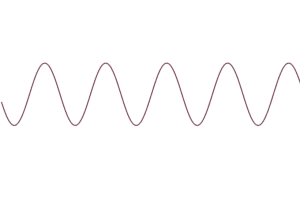 Alpha waves represent a calm and relaxed state, often referred to as being “in the flow.” This is the frequency your brain reaches when you’re practicing yoga, walking in nature, or engaging in a meditative task. Alpha waves promote learning, memory, and concentration. They are also a bridge between the conscious and subconscious mind, making them a great target for light meditation.
4. Beta waves (12 to 38 Hz)
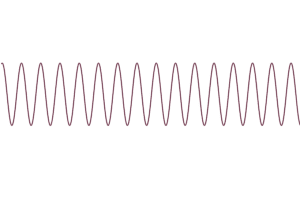 They dominate our waking life, especially when we are active, focused, or solving problems. They’re associated with logical thinking, decision-making, and attention to external stimuli. Beta can be further divided into Lo-Beta (12-15 Hz), Beta (15-22 Hz), and Hi-Beta (22-38 Hz), each linked to different levels of alertness. While Beta waves help us stay sharp and on-task, too much time spent in this state can lead to anxiety, stress, and mental fatigue. It’s important to balance Beta activity with relaxation techniques to avoid burnout.
5. Gamma waves (38 to 42 Hz)
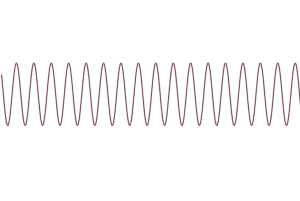 Gamma waves are the fastest brainwaves and are associated with heightened perception and problem-solving abilities. These waves are less understood but are thought to be linked to peak mental performance and the integration of information across different parts of the brain. Gamma waves may also be connected to higher states of consciousness, such as moments of profound insight or spiritual awakening.
How to Influence and Balance Brainwaves
Various techniques have been developed throughout human history to modulate brainwave patterns. Ancient practices such as drumming, chanting, dancing, yoga, and meditation have been used for centuries to alter mental states and bring the mind into balance. In modern times, bi-neural beats and neurofeedback technology also offer ways to regulate brainwave activity.
However, one of the simplest and most accessible methods for balancing brainwaves is through breath control and meditation. Here’s a basic exercise to help calm your mind and promote balanced brainwaves:
- Find a Comfortable Position: Sit cross-legged on the floor or in a chair with a straight back. Place your hands in a relaxed position.
- Focus on Your Breath: Begin by taking deep, regular breaths. As you inhale, think “Calm,” and as you exhale, think “Let go.”
- Stay Present: If your mind wanders, gently bring your attention back to your breathing. Continue this rhythm of deep, regular breathing.
- Relax: Allow your breath to flow naturally, like the tide coming in and out. With time, you’ll notice that simply sitting and breathing brings a sense of peace and joy.
Over time, this practice can help train your brainwaves to move toward balance. When your mind feels overly active, likely dominated by Beta waves, take a moment to slow down and breathe. With consistent practice, you’ll be able to shift your mental state and bring yourself back to calm more easily.
Conclusion
Understanding brainwaves and their impact on our mental states is essential for personal growth and well-being. By incorporating practices such as meditation and breathwork, we can influence our brainwave activity, fostering a healthier balance between relaxation and alertness. The more we tune in to our mental states, the better we can manage stress, improve focus, and cultivate inner peace.